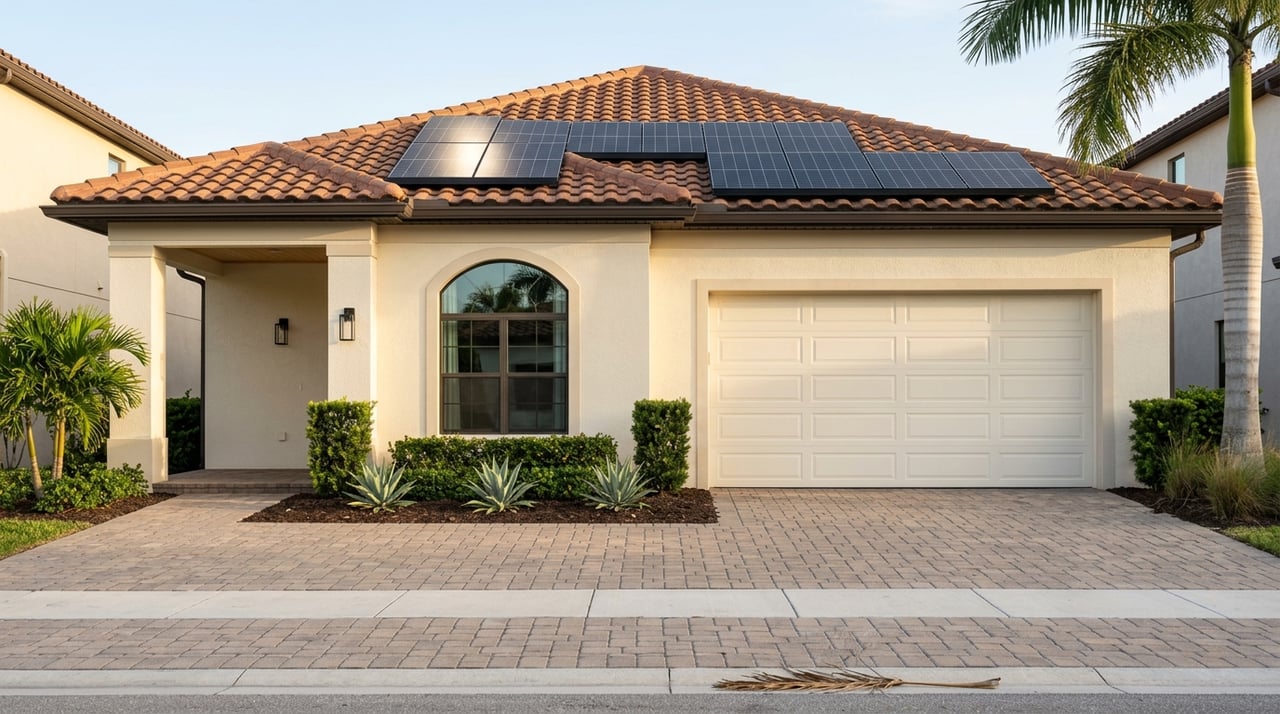
Curious what “solar-powered living” really means when you shop in Polo Run? If you are comparing Lakewood Ranch neighborhoods, it is easy to focus on the headline and miss the details that shape your day-to-day ownership experience. Understanding how solar, HOA costs, and community structure work together can help you make a more confident decision. Let’s dive in.
Polo Run in Lakewood Ranch
Polo Run is part of Lakewood Ranch, a master-planned community of more than 35,000 acres spanning Manatee and Sarasota counties. Lakewood Ranch describes this type of community as one that plans homes alongside schools, retail, restaurants, businesses, recreation, and natural habitat. That bigger setting matters because Polo Run functions as one village within a much larger system.
Official Lakewood Ranch materials identify Polo Run as the community’s first solar village. Those same materials say each home includes energy-saving solar technology and Lennar smart-home features. In practical terms, Polo Run’s identity is tied to both efficient home features and shared neighborhood amenities.
What solar-powered living means
The most important question is not simply whether Polo Run has solar. The better question is how the solar system is set up and what that setup means for your ownership costs, maintenance, and future resale.
Polo Run’s solar package is part of the community’s appeal, but it should not be treated as a promise of a certain utility bill. Solar may help shape monthly energy use expectations and may also affect how buyers view the home later. Still, it is only one part of the full ownership picture.
That is why it helps to look past the marketing phrase and ask for specifics. You will want to understand what equipment is included, how performance is tracked, and whether the system transfers smoothly to a future owner.
Florida solar rules matter
Florida law provides important context for buyers in a solar-focused community. State law says deed restrictions and similar binding agreements may not prohibit solar collectors on eligible residential dwellings. It also says architectural committees may set roof placement only if that choice does not impair the device’s effective operation.
For you as a buyer, that means roof layout and approval rules deserve a closer look. If you ever need roof work or want to make exterior changes, it is smart to verify how the solar setup interacts with those plans. It is also worth reviewing disclosures and builder information carefully before you move forward.
Monthly costs go beyond the mortgage
One of the smartest ways to evaluate Polo Run is to look beyond principal, interest, taxes, and insurance. Lakewood Ranch’s official FAQ says each village has HOA fees, which generally cover village amenities, common-area maintenance, and sometimes lawn care and irrigation.
The same FAQ also explains that Lakewood Ranch uses a Stewardship District fee. That fee helps fund infrastructure, parks, trails, lakes, stormwater systems, road enhancements, and conservation areas. When you compare Polo Run with other communities, those recurring charges should be part of your monthly budget review.
This is especially important in a neighborhood where the lifestyle promise includes both home technology and shared amenities. A lower list price does not always mean a lower total cost of ownership if the fee structure differs from another community you are considering.
What the neighborhood lifestyle may feel like
Lakewood Ranch describes many of its villages as offering resident amenities through HOA fees, including pools, clubhouses, fitness centers, and sports courts. Official tour materials for Polo Run specifically mention amenity elements such as a pool, sports courts, and dog parks.
That combination helps explain the rhythm of life many buyers are looking for in this part of the market. The appeal is not just the house itself. It is also the balance of private home features and shared spaces that support an active, connected lifestyle.
Lakewood Ranch’s FAQ also says the community is primarily made up of full-time residents, with an average resident age of 49. That suggests a year-round neighborhood setting rather than one built mainly around seasonal use.
Why solar should be part of resale planning
If you are buying in Polo Run, it helps to think ahead to resale even if you plan to stay for years. A built-in solar package can be a meaningful feature when future buyers compare homes, but the details behind the system can influence how easy that sale process feels.
For example, buyers often want clear answers about ownership, service, and transfer. If the system is easy to document and straightforward to convey to the next owner, that can simplify the conversation later. If the arrangement is more complex, it may require extra explanation during resale.
That is one reason careful upfront review matters. When you understand the solar terms from the start, you are in a better position to judge both present value and future marketability.
Questions to ask on a tour
When you tour a home in Polo Run or compare it with another Lakewood Ranch village, specific questions can help you move from broad impressions to real clarity.
Ask about the solar system itself:
- Is the solar system owned, leased, or otherwise financed?
- What is the expected energy offset?
- Can the builder show recent production or utility examples?
- Who maintains the panels, inverter, and monitoring equipment if something fails?
Ask about recurring ownership costs:
- What part of the monthly cost is HOA dues?
- What part is the Stewardship District fee or another recurring assessment?
- What do the dues include, such as amenity upkeep, landscaping, irrigation, reserves, or common-area maintenance?
Ask about future changes and resale:
- What approvals are needed for roof work or exterior changes?
- How do solar components affect roof replacement?
- How might the system affect insurance questions or resale transfer paperwork?
These questions can help you compare homes more accurately. They also give you a fuller picture of how the community works once you move in.
How to compare Polo Run wisely
Polo Run is best understood as a solar-first village inside a large, master-planned Lakewood Ranch environment. Its appeal comes from the blend of built-in solar technology, smart-home features, amenity access, and fee-supported neighborhood structure.
That means the smartest comparison is not just home price. You will want to compare solar terms, recurring costs, amenity value, community rules, and the overall fit with your lifestyle.
For many buyers, that level of detail is what turns a good choice into the right one. When you evaluate the whole picture, you can decide whether Polo Run’s solar-powered lifestyle matches your goals today and supports long-term value tomorrow.
If you are considering Polo Run or weighing it against other Lakewood Ranch communities, a detailed review of the numbers, neighborhood structure, and property features can make all the difference. For thoughtful local guidance, connect with Pamela Modisett - Main Site.
FAQs
What makes Polo Run different from other Lakewood Ranch villages?
- Polo Run is described by official Lakewood Ranch materials as the community’s first solar village, with homes that include energy-saving solar technology and smart-home features.
What should you ask about a Polo Run solar system?
- You should ask whether the system is owned, leased, or financed, what energy offset is expected, who handles maintenance, and how the system transfers to a future owner.
What fees should you review before buying in Polo Run?
- You should review HOA dues and any Stewardship District or similar recurring assessments, along with what those charges cover.
What do Polo Run HOA-style costs typically support?
- According to Lakewood Ranch’s FAQ, village HOA fees generally cover amenities, common-area maintenance, and sometimes lawn care and irrigation.
Why do Florida solar rules matter in Polo Run?
- Florida law says certain restrictions may not prohibit solar collectors on eligible homes, and placement rules cannot impair effective operation, so roof layout and approval requirements are important to verify.
Is Polo Run only about lower utility bills?
- No. The solar package is an important feature, but buyers should also weigh ownership structure, maintenance, monthly fees, community rules, and resale considerations.